Continuous Emission Monitoring Systems (CEMS): A Comprehensive Solution for Thermal Power and Cement Plants
In the era of stringent environmental regulations, the installation of a Continuous Emission Monitoring System (CEMS) is no longer just an option—it is a mandatory requirement for heavy industries such as thermal power, cement, steel, and chemicals.
At HMHitech, we provide turnkey CEMS solutions that ensure businesses not only remain compliant with environmental laws (such as Vietnam’s Decree 08/2022/ND-CP and Circular 10/2021/TT-BTNMT) but also optimize their operational efficiency and emission control.
1. Overview of CEMS
A CEMS is an integrated system of measurement, analysis, and data transmission equipment installed at a plant’s stack. The system is designed to continuously monitor the concentration of particulate matter (dust) and hazardous gases, including SO2, NOx, and CO, along with physical parameters such as flow rate, temperature, pressure, and residual O2 levels.
The data captured by the CEMS is transmitted directly to the Department of Natural Resources and Environment (DONRE) in real-time, ensuring transparency and timely environmental management.
2. Core Components of a Specialized CEMS
A standard CEMS solution implemented by HMHitech consists of three core pillars:
a. Gas Analyzers
As the “brain” of the system, these analyzers utilize advanced technologies such as NDIR (Non-Dispersive Infrared) or FTIR to measure gas concentrations.
- Function: Accurately measures SOx, NOx, CO, and CO2.
- Features: Designed for high durability in harsh environments (high temperature, high humidity) with automatic calibration features to ensure long-term accuracy.
b. Dust Monitors (Particulate Matter Analyzers)
For thermal power and cement plants, monitoring dust emissions is critical due to the high volume of ash and clinker particles.
- Technology: Typically utilizes Light Scattering or Transmissometry principles.
- Advantages: Capable of measuring a wide range of concentrations, from fine particulate matter to larger particles, maintaining stability even in high-moisture stack conditions.
c. Data Acquisition and Handling System (DAHS/Datalogger)
This subsystem ensures the connectivity and reliability of the entire network:
- Auxiliary Sensors: Measures flue gas flow, pressure, and temperature to normalize gas concentrations to standard conditions (25°C, 1 atm).
- Datalogger & Software: Collects signals from all sensors, stores data locally, and transmits encrypted data files (.txt or .csv) to the regulatory servers via secure VPN or 3G/4G/5G connections.
3. Why Choose HMHitech’s CEMS Solutions?
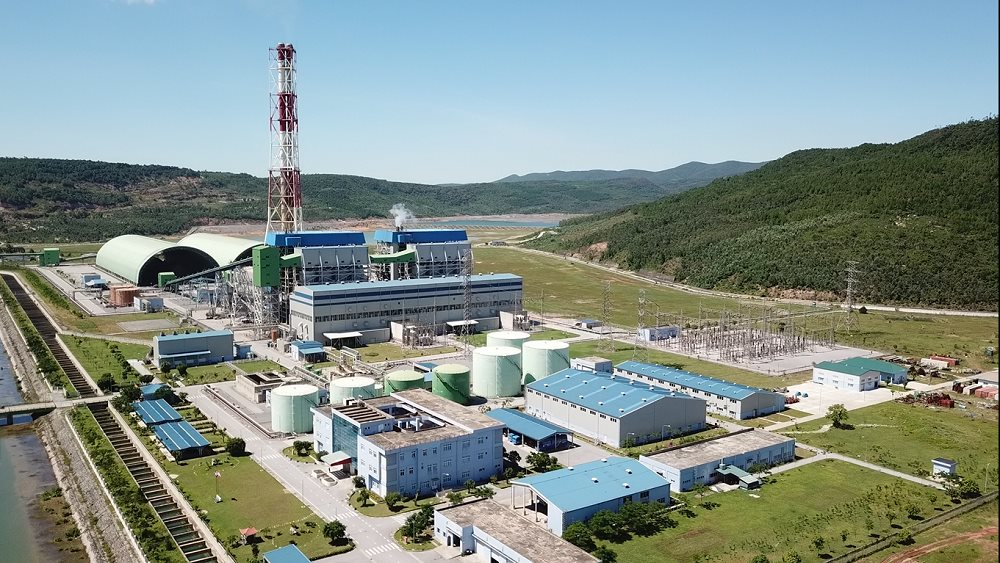
Drawing from our extensive field experience—including technical surveys at major sites like the Cam Pha Thermal Power Plant—HMHitech understands the unique challenges of operating monitoring systems:
- Genuine Equipment: We partner with world-class manufacturers (such as Codel-UK, ABB, Siemens) to provide equipment that meets all international and local certification standards.
- Customized Engineering: Our systems are tailored to specific stack dimensions, gas compositions, and environmental conditions.
- 24/7 Technical Support: Our team of expert engineers provides maintenance, calibration, and troubleshooting services to ensure your data transmission is never interrupted.
4. Conclusion
Investing in a high-quality CEMS is not just about avoiding legal risks; it is a commitment to sustainable production and community responsibility. HMHitech is dedicated to delivering CEMS solutions that are robust, precise, and user-friendly.